
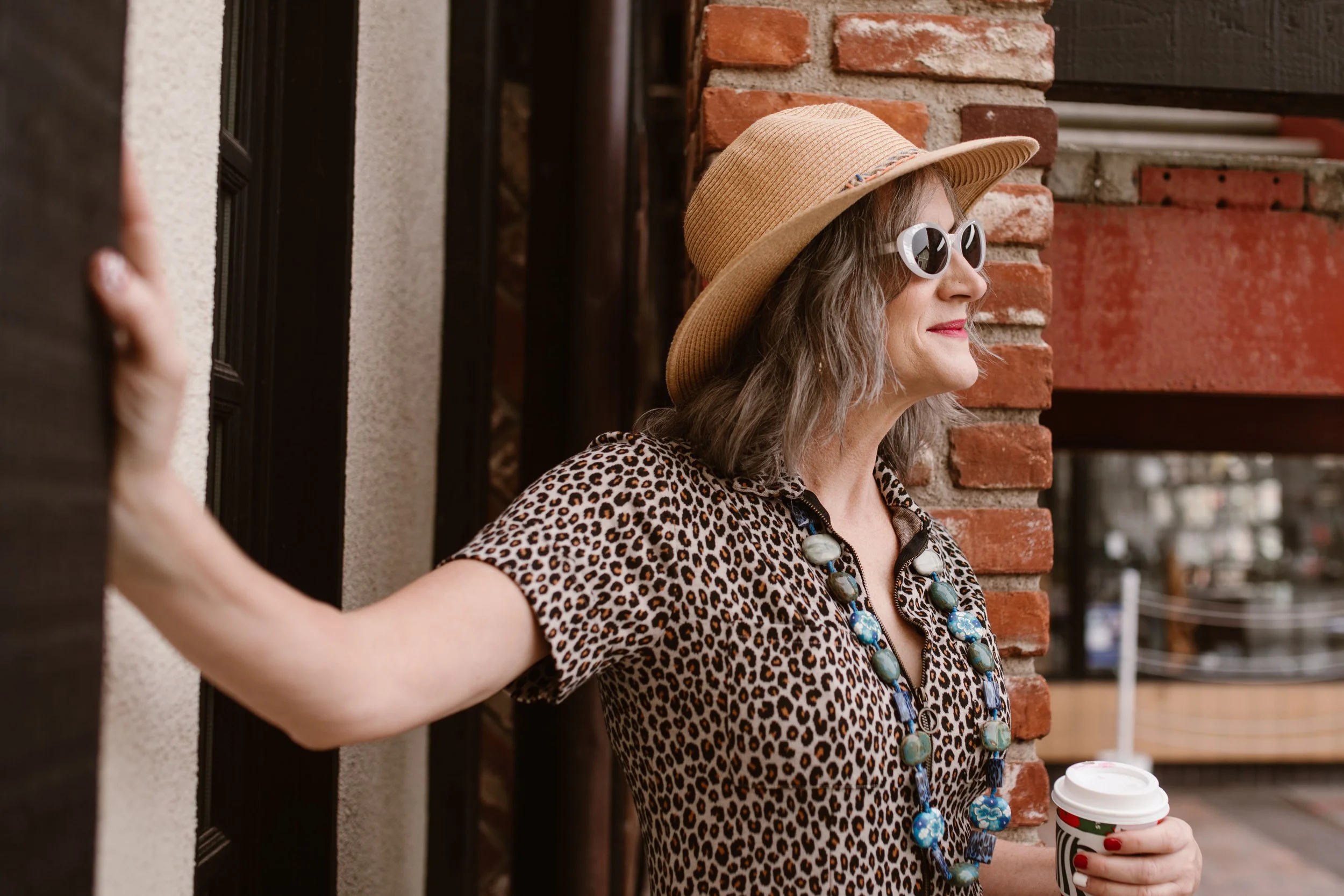
There is a trip many women keep waiting for. Not because they do not want to go, but because they are waiting for someone else to be free, for the timing to be perfect, or for the right moment to arrive. After 40, that waiting starts to feel different. The trip is not about proving anything. It is about giving yourself the time, the place, and the pace you have earned.
Solo travel after 40 is a new chapter, not a crisis. You set the pace, the budget, and the splurges. Every decision is yours. And going alone does not mean planning alone. Here is the step by step system I use when I help a traveler plan a first solo trip, built so the trip feels steady, enjoyable, and truly yours.
How to plan your first solo trip: start with why, not where
Most people start by picking a place. Start with the feeling instead. Do you want rest, or do you want to learn something new? Do you want long mornings and quiet streets, or a city that keeps you curious all day? Do you want to be near the water, or in a place with good food and easy walking?
The answer decides everything else: the destination, the length of the trip, and the kind of stay that fits. A rest trip needs a comfortable room and slow mornings. A learning trip needs a good base near classes, walks, and museums. Agree on the why first, and the where gets much easier.
Start small: one city, four or five nights
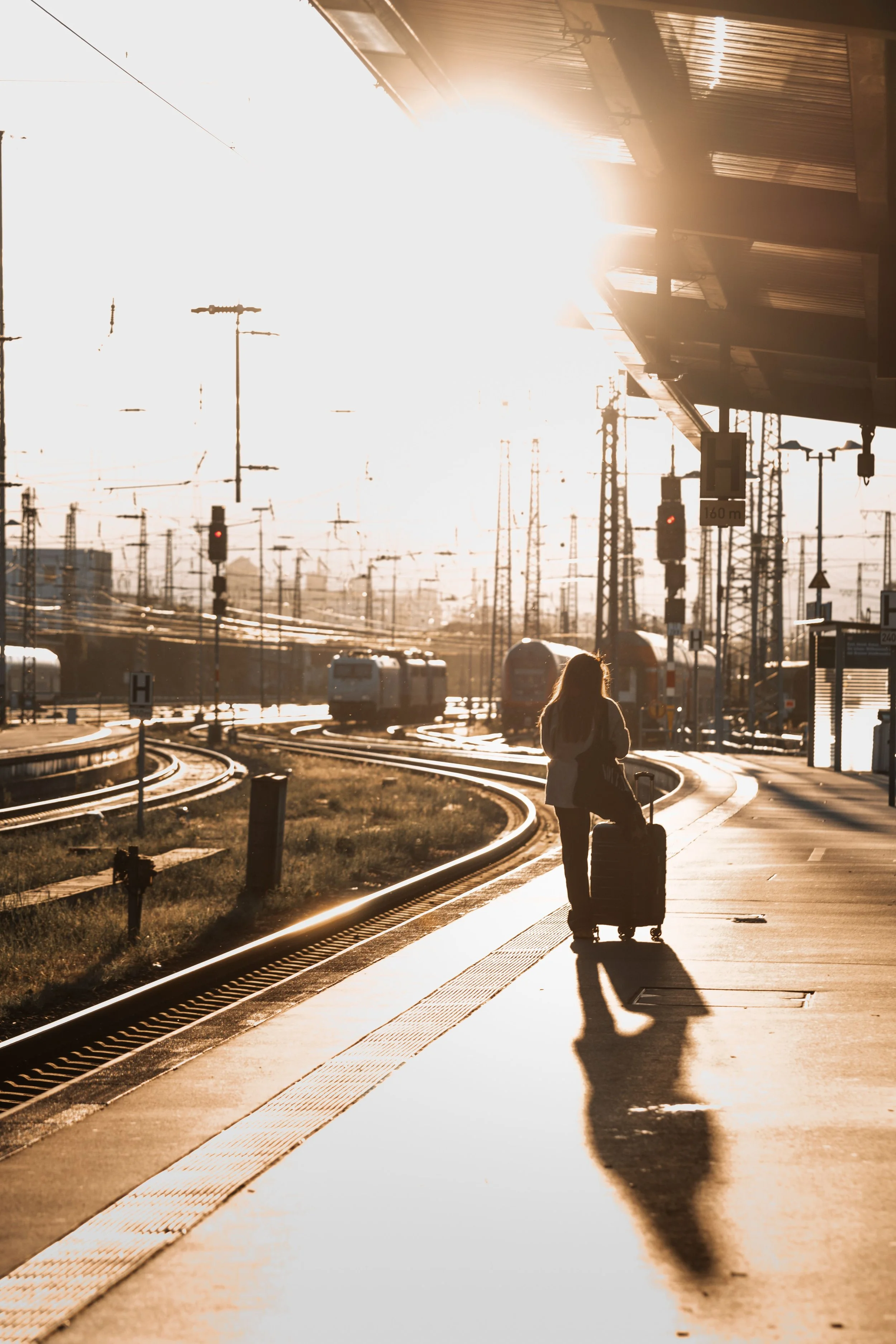
A first solo trip does not need to be long or complicated. One city, four or five nights, and easy logistics is a good place to start. You learn how you like to travel alone without having to manage trains, transfers, and new hotels every other day.
One base also means you settle in. You find your coffee place, your evening walk, and the streets you recognize. By the third day, the city starts to feel familiar, and that familiarity is what makes solo travel feel relaxing instead of tiring.
If the trip goes well, and most first solo trips do, the next one can be bigger. Start small, start soon, and let the first trip teach you what you want more of.
Choose a stay that fits how you travel
Where you stay shapes the whole trip, so choose it for how you actually travel, not only for the photos. Look for a well reviewed stay in a central area, close to the places you will visit on foot. A good location means shorter walks after dinner and an easier return when you are tired.
Arrive before dark when you can. A first arrival in daylight is calmer: you can see the street, find the entrance, and settle in without rushing. Ask the stay about check in times, the nearest transport, and a safe walking route before you book, so the first evening feels planned, not improvised.
If you like a little company at the hotel, a smaller stay with a shared breakfast or a common area can be a good fit. If you want quiet, choose a room that gives you real privacy. Both are good choices. The right one is the one that matches you.
Design safety in before you go
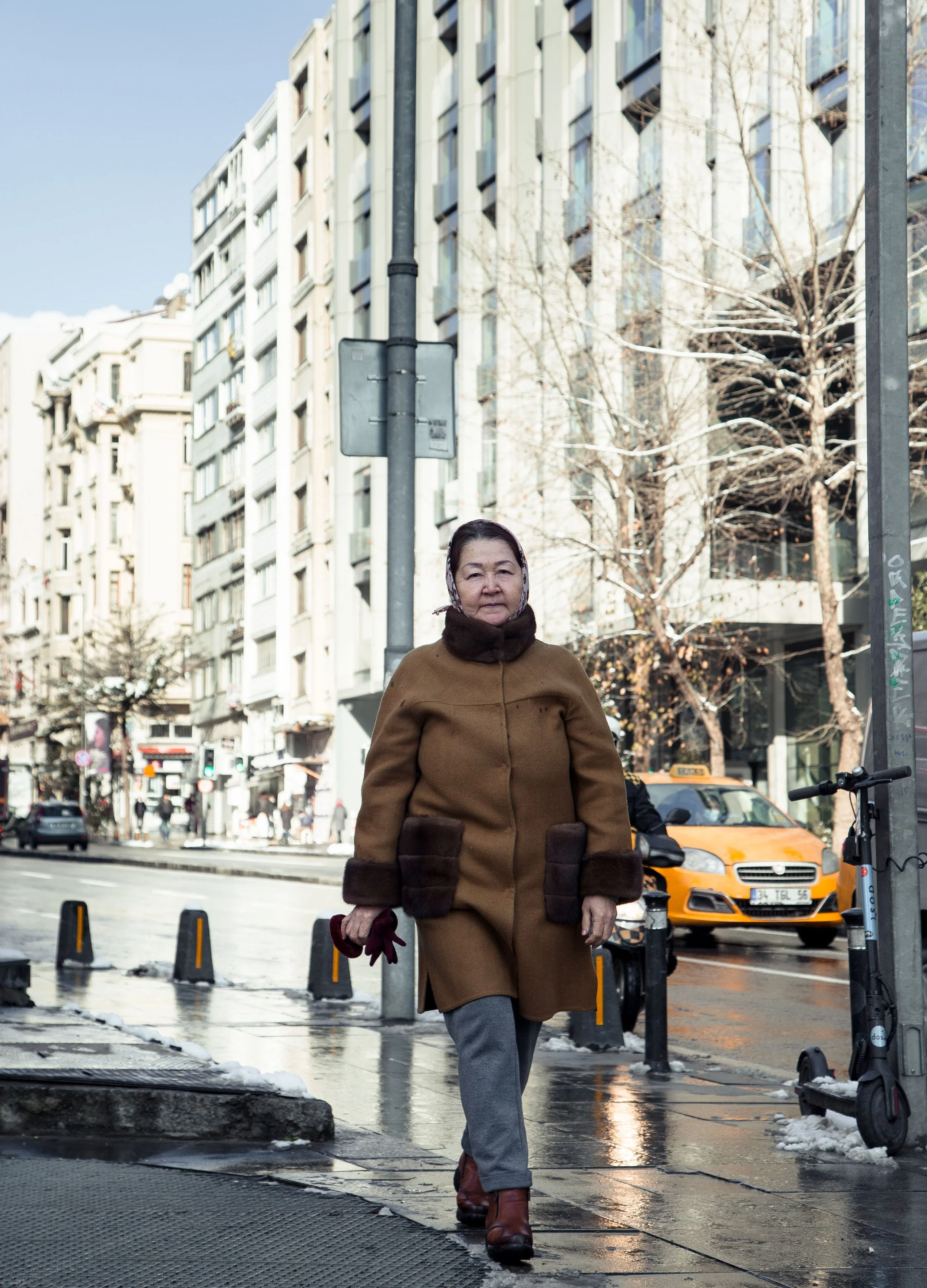
Safety on a solo trip is a design choice, not a worry you carry all day. It starts at home, before you leave. Share your itinerary with someone you trust: where you are staying, your flight times, and the days you will be in each place. Keep a copy of your passport and your booking confirmations in your phone and in your bag, in separate places.
During the trip, keep the simple habits that make a day run well. Keep your phone charged, know the way back before you head out, and trust your instincts about a street, a ride, or a plan that does not feel right. A good plan leaves room to change your mind. If something feels off, you can always go back, take a taxi, or call it a day early. That is not a failed day. That is a trip that is working for you.
Set your pace: one anchor a day, and protect the rest
The instinct on a first solo trip is to fill every hour, as if an empty hour were wasted. Resist it. One anchor experience per day is plenty: a guided walk, a cooking class, a museum morning, a long lunch. Everything else stays open for rest, for wandering, and for the unplanned moments that are the real reason you went.
Your pace is yours to set. Sleep in if you want to. Sit in a park with a book. Skip the attraction everyone says you must see if it does not interest you. There is no one to keep up with and no one to disappoint. A solo trip that exhausts you has missed its own point.
Solo does not mean alone
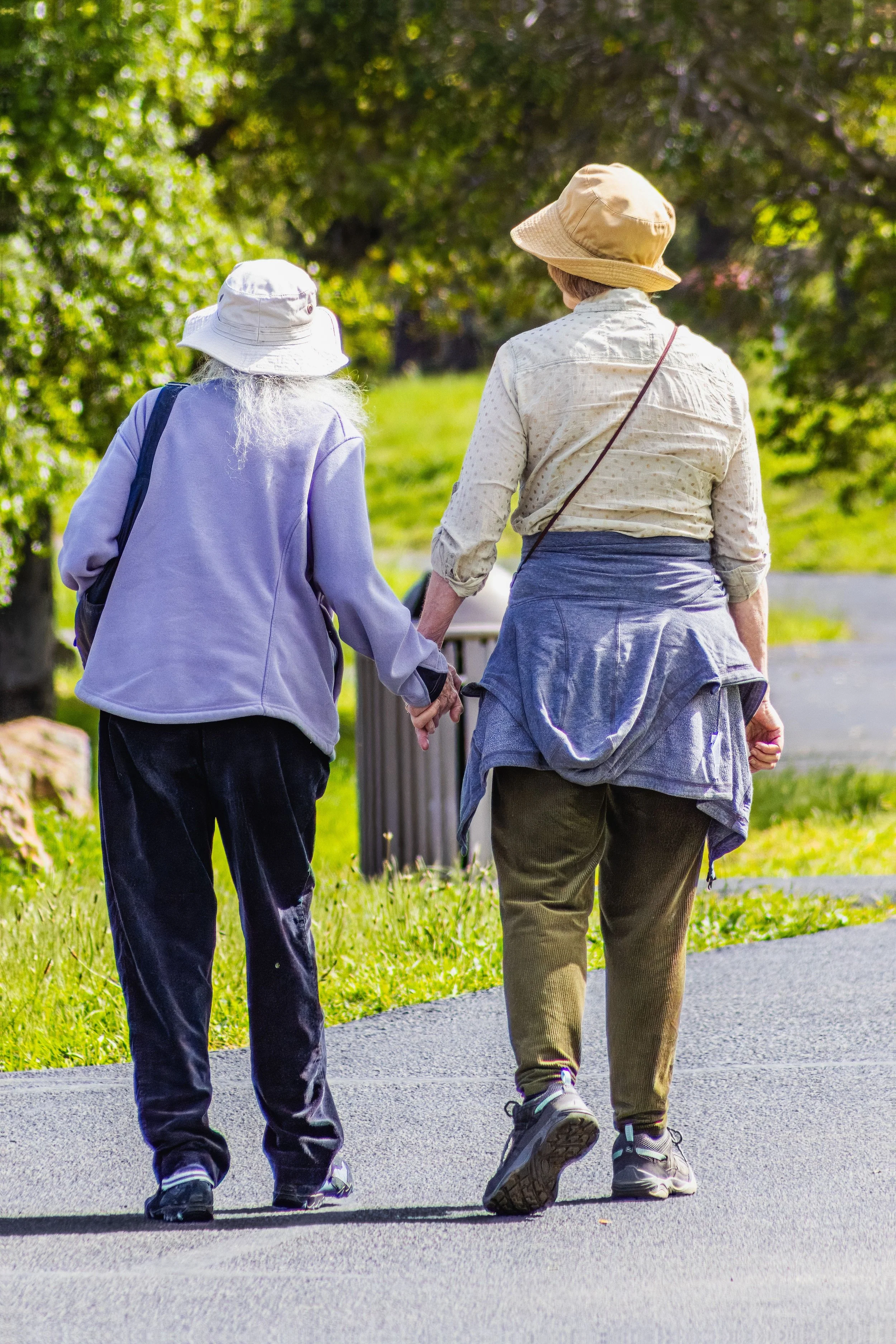
Traveling alone and feeling alone are two different things. Solo travel works best when you mix in company exactly when you want it. A cooking class, a guided walk, a small group tour, or a day trip with other travelers can give you conversation and local knowledge without giving up your freedom.
Meals are a good place to start. Book a table at a place you are curious about, bring your book, and enjoy eating at your own pace. Or join a food walk one evening and let the group carry the conversation. You choose when to be social and when to be quiet, and both choices count.
Plan the arrival and the first evening
The first evening sets the tone for the whole trip, so plan it before you leave. Know how you are getting from the airport or station to your stay, and have the address saved in your phone. Choose a simple first dinner near your stay, somewhere you can walk to without a map in your hand.
Then give yourself permission to do very little on that first night. Unpack, take a short walk, eat well, and sleep. The trip starts the next morning, rested and ready, not tired from a first day that tried to do everything at once.
Ready to plan yours?
If you have been waiting for the right moment, consider this your sign to start small and start soon. Begin with the why, pick one city, choose a stay that fits how you travel, design safety in early, and set a pace you actually enjoy.
If you would like help holding it all together, send me a message on Instagram at @travelsbeewell with the word TRIP and tell me where you have been dreaming of going, or book a call and we will design your first solo trip around you. I will hold the logistics, so you can hold the joy.
Your Journey Matters.
