
How to Plan an Anniversary Trip That Feels Like You: A Step-by-Step Guide
How to plan an anniversary trip that feels like you: start with your story, pick one anchor experience, choose a stay for slow mornings, and pace the days.

An anniversary trip is not a regular vacation with a candle on the dessert. It is a few days set aside to mark where you have been and where you are going. The couples who enjoy it most are rarely the ones who packed the most activities. They are the ones who planned a trip that sounds like them.
Learning how to plan an anniversary trip is mostly about protecting that feeling. A little structure, a lot of room to breathe, and one or two moments that belong only to the two of you. Here is the step by step system I use when I help a couple plan an anniversary escape, built so the trip feels romantic without feeling scheduled to death.
How to plan an anniversary trip: start with your story, not the destination
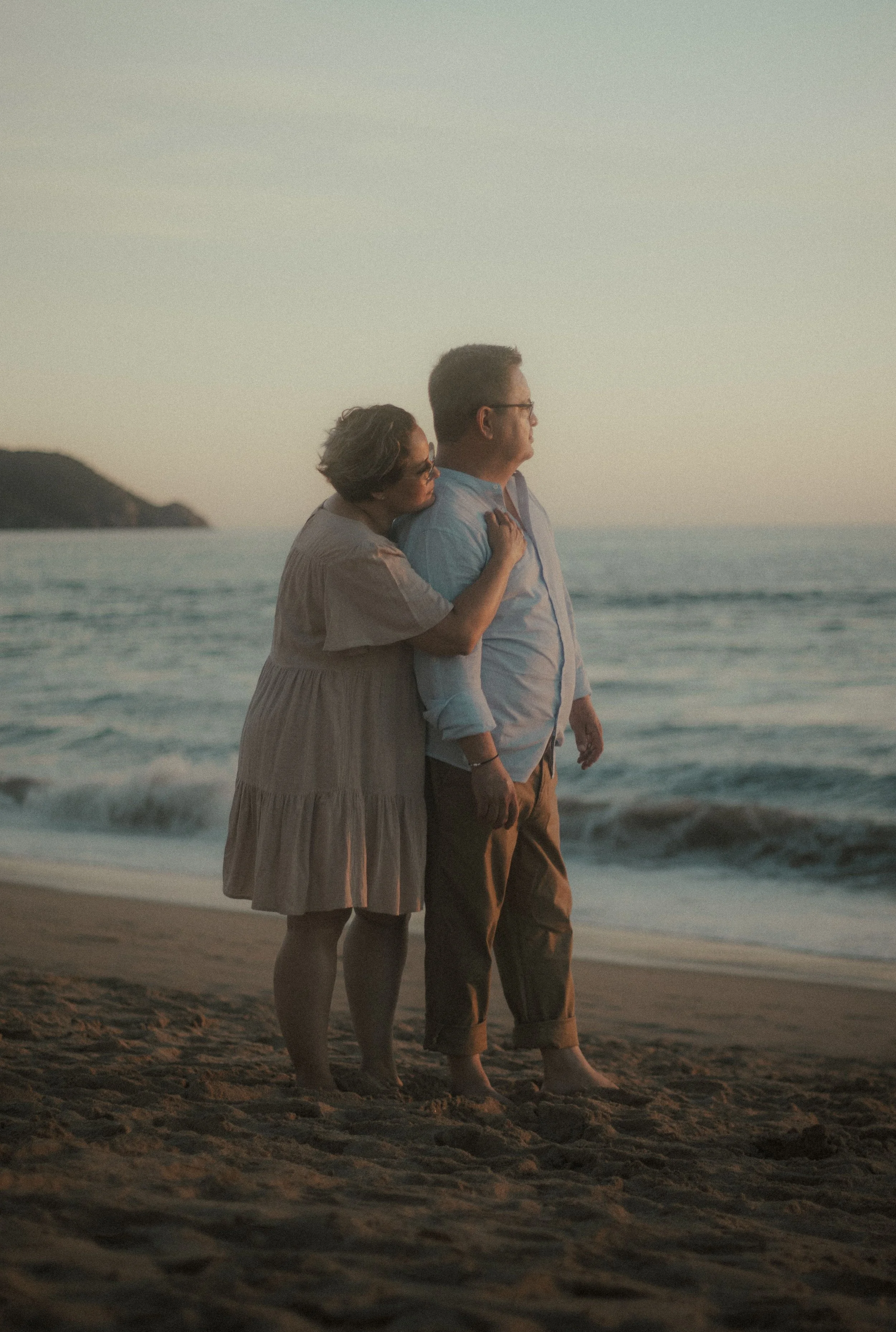
Most couples start by scrolling destinations. Start with the story instead. What do you want this trip to mark? A number of years, a new chapter, a place that means something to you, or simply time away from the everyday?
The answer decides everything else: how long to go, how far to travel, and what kind of stay fits. A milestone worth celebrating at length can carry a longer trip. A quiet year might call for a short escape close to home, done slowly and well. Agree on the why first, and the where gets much easier.
Pick one anchor experience, and let the rest stay open
Plan one experience that carries the trip. A private dinner, a sunset sail, a cooking class for two, a guided walk through a place you have always wanted to see. That is the moment you will both remember, and it gives the trip its shape.
Everything else can stay open. Leave room for long breakfasts, wandering, a nap, a second coffee in a quiet square. An anniversary trip that is scheduled from morning to night stops feeling like a celebration and starts feeling like a project. One anchor a day is plenty, and some days need no anchor at all.
Choose a stay for slow mornings and one special evening
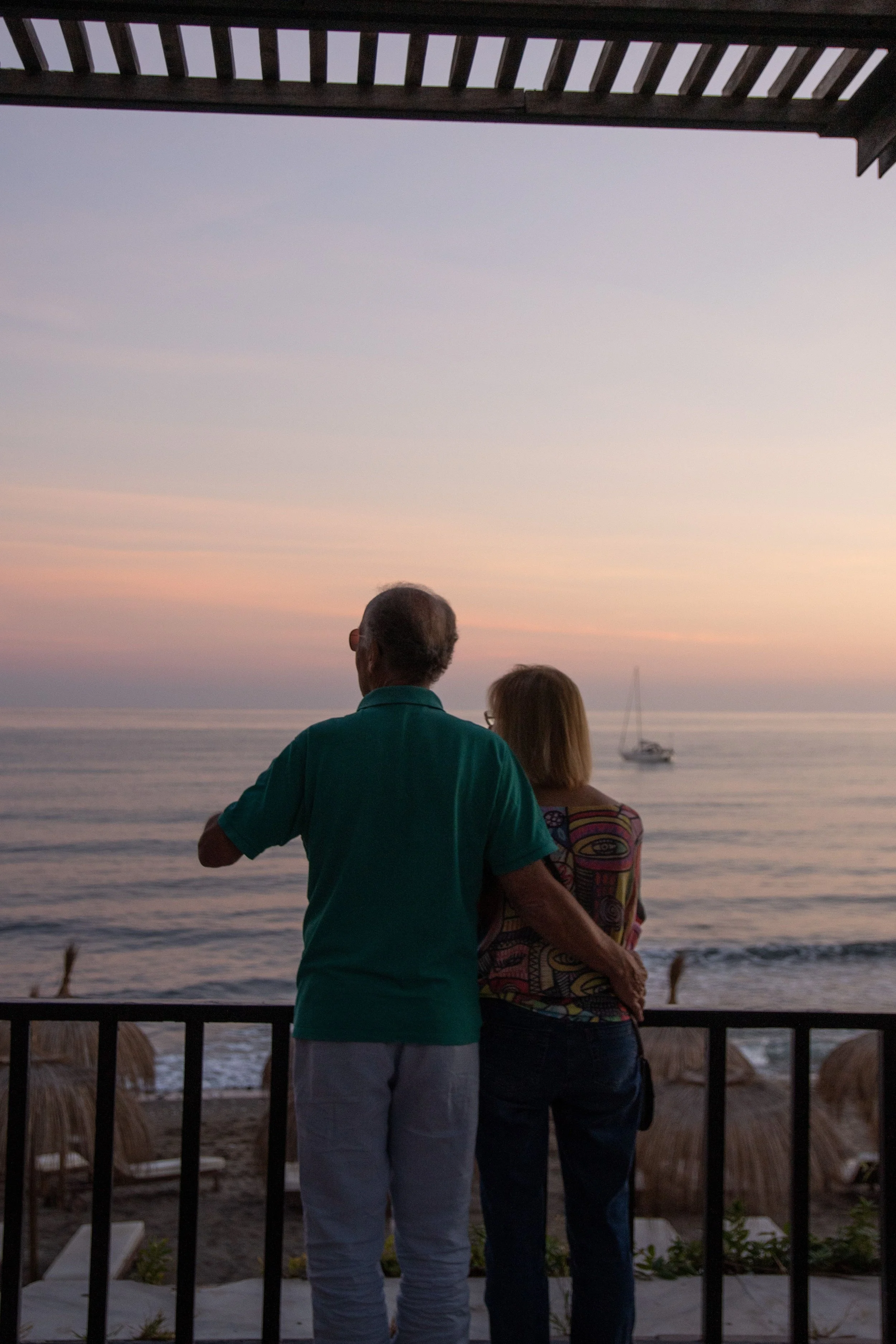
Where you stay shapes the whole trip, so choose it for how you will actually spend your days. For an anniversary escape, that usually means a comfortable room, a good bed, and a place where mornings can be slow. A central location helps too, so a special dinner is a short walk away instead of a production.
Plan one special evening and keep it simple. Book the dinner that matters, arrive on time, and let the rest of the evening unfold. If you are celebrating a big milestone, ask the stay in advance about a small touch, such as flowers in the room or a note on arrival. Small touches land best when they are arranged quietly and early, not requested at the front desk in a hurry.
Pace the trip for the two of you, not for a list
Every couple has a different energy, and an anniversary trip is the wrong place to borrow someone else's pace. If you both love early starts, plan them. If you do not, sleep in without guilt and let the day begin when it begins.
Build in rest on purpose. A free afternoon is not wasted time on a romantic trip. It is often where the best conversations happen. Choose experiences you can enjoy side by side, at a level that suits you both, and skip the ones you would only do because a list told you to.
Add one personal touch, not ten

A trip feels personal through one or two details, not through a dozen. Bring a photo from early in your relationship and take a new one in a similar pose. Write a short note for the trip and open it together on the last evening. Return to a place that already means something to you, and see it with new eyes.
Pick the touches that fit you, and leave the rest. The goal is a trip that could only be yours, not a trip that looks impressive in pictures.
Book the moments that sell out, and relax about the rest
Some parts of an anniversary trip are worth booking early: the special dinner, the anchor experience, and any activity tied to a specific date or time. Those are the pieces that fill up, especially around holidays and long weekends.
The rest does not need to be locked down. Meals, walks, and quiet hours can be decided as you go, which is part of the pleasure. A good plan holds the moments that matter and leaves the rest of the trip free to surprise you.
Ready to plan yours?
An anniversary trip does not need to be complicated to be memorable. Start with your story, pick one anchor experience, choose a stay for slow mornings, and pace the days your way. The trip will take care of the romance. Your job is to show up for it.
If you would like help holding it all together, send me a message on Instagram at @travelsbeewell with the word TRIP and tell me what you are celebrating, or book a call and we will design your escape around the two of you. I will hold the logistics, so you can hold each other's hand.
Your Journey Matters.
How to Plan Your First Solo Trip After 40: A Step-by-Step Guide

There is a trip many women keep waiting for. Not because they do not want to go, but because they are waiting for someone else to be free, for the timing to be perfect, or for the right moment to arrive. After 40, that waiting starts to feel different. The trip is not about proving anything. It is about giving yourself the time, the place, and the pace you have earned.
Solo travel after 40 is a new chapter, not a crisis. You set the pace, the budget, and the splurges. Every decision is yours. And going alone does not mean planning alone. Here is the step by step system I use when I help a traveler plan a first solo trip, built so the trip feels steady, enjoyable, and truly yours.
How to plan your first solo trip: start with why, not where
Most people start by picking a place. Start with the feeling instead. Do you want rest, or do you want to learn something new? Do you want long mornings and quiet streets, or a city that keeps you curious all day? Do you want to be near the water, or in a place with good food and easy walking?
The answer decides everything else: the destination, the length of the trip, and the kind of stay that fits. A rest trip needs a comfortable room and slow mornings. A learning trip needs a good base near classes, walks, and museums. Agree on the why first, and the where gets much easier.
Start small: one city, four or five nights

A first solo trip does not need to be long or complicated. One city, four or five nights, and easy logistics is a good place to start. You learn how you like to travel alone without having to manage trains, transfers, and new hotels every other day.
One base also means you settle in. You find your coffee place, your evening walk, and the streets you recognize. By the third day, the city starts to feel familiar, and that familiarity is what makes solo travel feel relaxing instead of tiring.
If the trip goes well, and most first solo trips do, the next one can be bigger. Start small, start soon, and let the first trip teach you what you want more of.
Choose a stay that fits how you travel
Where you stay shapes the whole trip, so choose it for how you actually travel, not only for the photos. Look for a well reviewed stay in a central area, close to the places you will visit on foot. A good location means shorter walks after dinner and an easier return when you are tired.
Arrive before dark when you can. A first arrival in daylight is calmer: you can see the street, find the entrance, and settle in without rushing. Ask the stay about check in times, the nearest transport, and a safe walking route before you book, so the first evening feels planned, not improvised.
If you like a little company at the hotel, a smaller stay with a shared breakfast or a common area can be a good fit. If you want quiet, choose a room that gives you real privacy. Both are good choices. The right one is the one that matches you.
Design safety in before you go
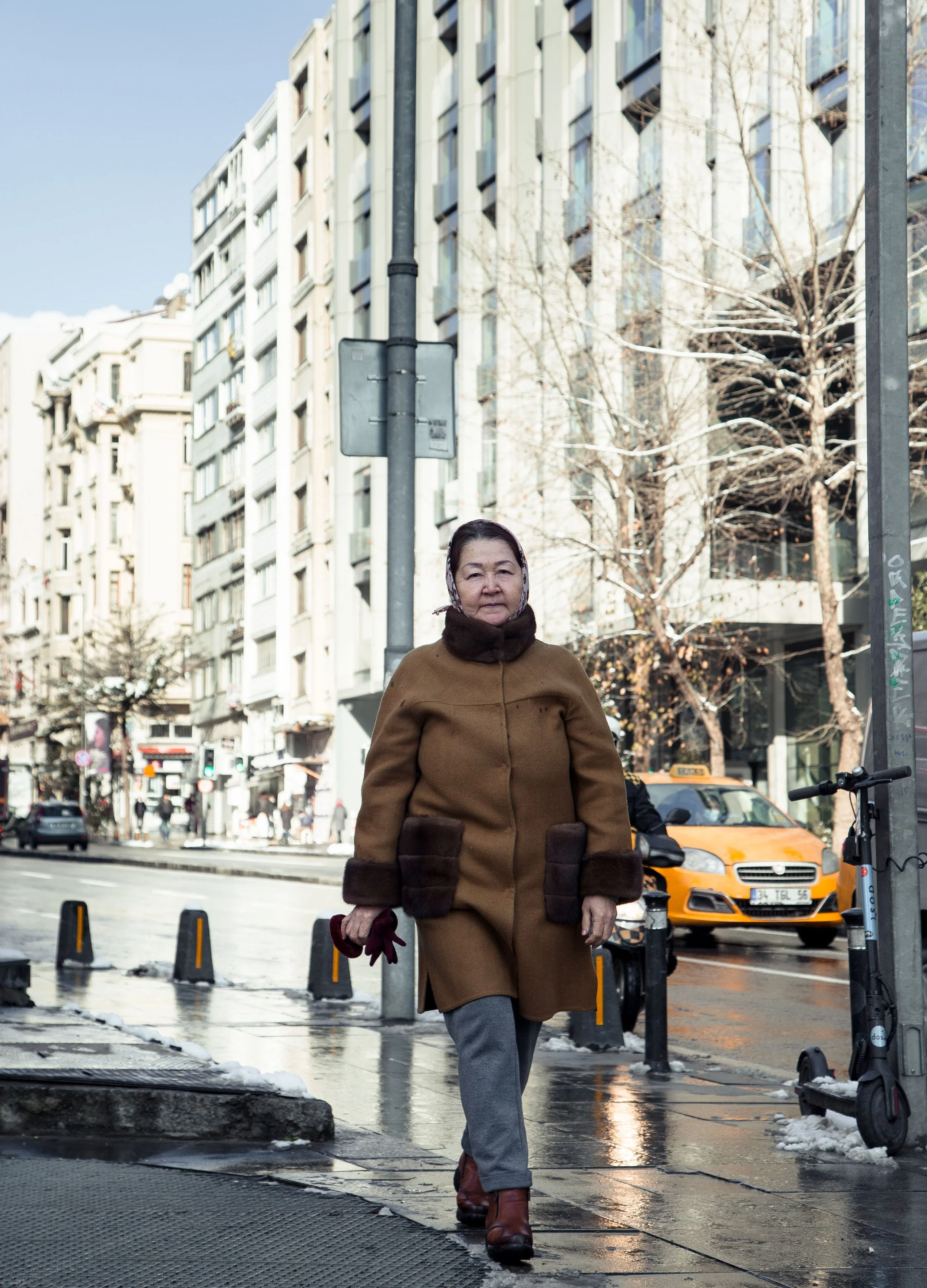
Safety on a solo trip is a design choice, not a worry you carry all day. It starts at home, before you leave. Share your itinerary with someone you trust: where you are staying, your flight times, and the days you will be in each place. Keep a copy of your passport and your booking confirmations in your phone and in your bag, in separate places.
During the trip, keep the simple habits that make a day run well. Keep your phone charged, know the way back before you head out, and trust your instincts about a street, a ride, or a plan that does not feel right. A good plan leaves room to change your mind. If something feels off, you can always go back, take a taxi, or call it a day early. That is not a failed day. That is a trip that is working for you.
Set your pace: one anchor a day, and protect the rest
The instinct on a first solo trip is to fill every hour, as if an empty hour were wasted. Resist it. One anchor experience per day is plenty: a guided walk, a cooking class, a museum morning, a long lunch. Everything else stays open for rest, for wandering, and for the unplanned moments that are the real reason you went.
Your pace is yours to set. Sleep in if you want to. Sit in a park with a book. Skip the attraction everyone says you must see if it does not interest you. There is no one to keep up with and no one to disappoint. A solo trip that exhausts you has missed its own point.
Solo does not mean alone
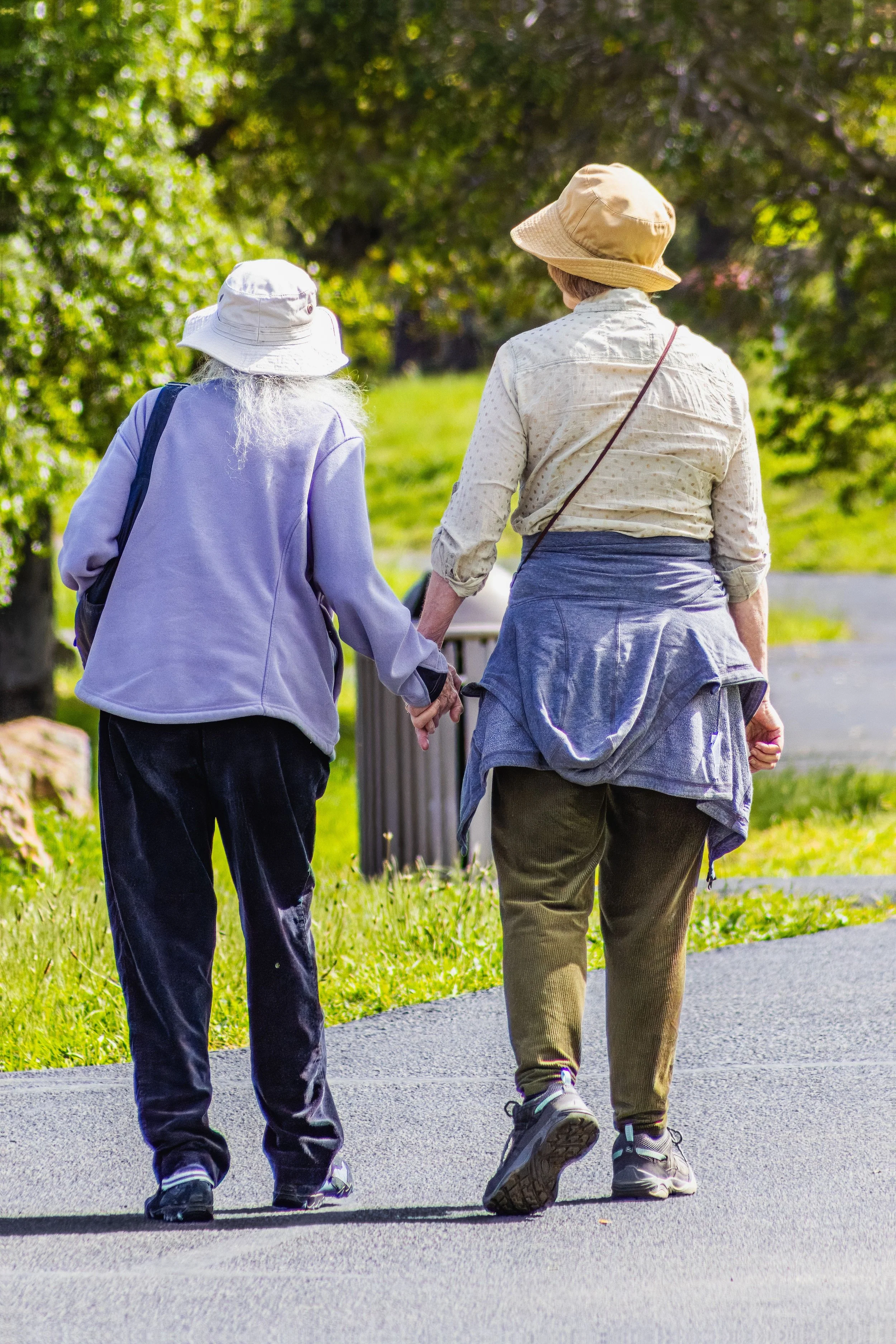
Traveling alone and feeling alone are two different things. Solo travel works best when you mix in company exactly when you want it. A cooking class, a guided walk, a small group tour, or a day trip with other travelers can give you conversation and local knowledge without giving up your freedom.
Meals are a good place to start. Book a table at a place you are curious about, bring your book, and enjoy eating at your own pace. Or join a food walk one evening and let the group carry the conversation. You choose when to be social and when to be quiet, and both choices count.
Plan the arrival and the first evening
The first evening sets the tone for the whole trip, so plan it before you leave. Know how you are getting from the airport or station to your stay, and have the address saved in your phone. Choose a simple first dinner near your stay, somewhere you can walk to without a map in your hand.
Then give yourself permission to do very little on that first night. Unpack, take a short walk, eat well, and sleep. The trip starts the next morning, rested and ready, not tired from a first day that tried to do everything at once.
Ready to plan yours?
If you have been waiting for the right moment, consider this your sign to start small and start soon. Begin with the why, pick one city, choose a stay that fits how you travel, design safety in early, and set a pace you actually enjoy.
If you would like help holding it all together, send me a message on Instagram at @travelsbeewell with the word TRIP and tell me where you have been dreaming of going, or book a call and we will design your first solo trip around you. I will hold the logistics, so you can hold the joy.
Your Journey Matters.
How to Plan a Group Birthday Trip Without the Drama: A Step-by-Step Guide

A milestone birthday deserves a real celebration, not a month of stressful messages. Yet that is how most group birthday trips start. Someone suggests a trip in the group chat, everyone loves the idea, and then nothing gets decided. Dates drift, budgets stay unspoken, and the person who suggested it ends up doing all the work.
It does not have to go that way. Learning how to plan a group birthday trip is mostly about giving the group a simple system before anyone books a flight. Here is the step by step system I use for group birthday travel, built so the guest of honor feels celebrated and nobody burns out planning it.
How to plan a group birthday trip: one host decides, and the group votes once
Every group trip needs one host. Not a committee, not a poll that runs for three weeks. One person holds the plan, and the group votes once on the big choice, such as the destination or the dates.

After that vote, the host decides the details. This protects friendships. When everyone weighs in on every restaurant, hotel, and activity, the planning becomes the trip, and not in a good way. One host, one vote, and clear next steps keep the excitement alive.
If you do not want to be that host, that is exactly what a group travel planner is for. You bring your people and your occasion. The planner holds the decisions, the bookings, and the follow up, so you can enjoy being a guest at your own celebration.
Set the budget range before you choose the destination
This is the step most groups skip, and it is the one that saves the most awkwardness. Talk about money before you fall in love with a place.
Agree on a per person range for the stay, not a vague idea of cheap or nice. A range gives everyone the same honest picture. It also narrows the destination fast. A beach weekend, a city stay, and a countryside house can all be wonderful, but they do not cost the same, and they do not suit every group the same way.
Kind money rules help here too. Shared costs, like the house or the group dinner, get split evenly. Personal extras, like a spa treatment or a room upgrade, stay personal. When the rules are clear from the start, nobody has to guess, apologize, or quietly drop out.
Use a room block to hold prices while people decide
People decide at different speeds, and that is normal. A room block is how you protect the group while they decide. It holds a set of rooms at agreed prices for a set time, so early bookers and late deciders are not chasing a price that keeps moving.

This matters even more for a birthday trip, because the whole point is being together. Without a block, friends end up scattered across different hotels, different prices, and different check in times. With a block, the group stays in one place, the price is steady, and the host stops refreshing booking sites.
Ask early about the block terms: how many rooms are held, until what date, and what happens if the group grows or shrinks. Those answers belong in the shared plan, not buried in someone's inbox.
Replace the group chat with one shared itinerary document
Group chats are wonderful for excitement and terrible for plans. Important details disappear under birthday memes, flight screenshots, and forty messages that all say sounds good.
Create one shared document with the full itinerary instead. Dates, hotel, room block details, meeting points, anchor experiences, free time, and what is included. When someone asks a question, the answer lives in the document, not in a message from three weeks ago.
Keep the document simple and current. One version, one owner, updated when something changes. The chat stays for fun. The document holds the plan.
How to plan a group birthday trip: keep payments and deadlines in one place
Nothing creates drama faster than unclear money and moving deadlines. Put payments and deadlines in one place, with one schedule everyone can see.
That means one deposit date, one final payment date, and one clear way to pay. It also means gentle reminders before a deadline, not frantic messages after it. When everyone sees the same dates, the host stops being the person who chases friends for money, and friends stop feeling chased.
If the group is large, or the trip involves several bookings, this is where a planner earns their place. One point of contact for payments, rooms, and changes keeps the birthday trip feeling like a celebration instead of an accounting project.
Celebrate the guest of honor, and pace the trip for the slowest guest
A birthday trip has two jobs at once. It must make the guest of honor feel truly celebrated, and it must work for every guest who came to celebrate them.

Plan one or two moments that belong to the birthday person: a special dinner, a toast, a surprise that fits their style. Then pace the rest of the trip for the slowest guest. Not everyone walks at the same speed, stays out as late, or wants a packed schedule. Build in rest, free time, and easy meeting points, so nobody has to choose between keeping up and enjoying themselves.
The best group birthday trips feel generous in both directions. The guest of honor feels seen. Every guest feels considered. That balance is what people remember long after the trip ends.
Ready to plan yours?
If your group chat has been dreaming about a milestone birthday trip, give it a structure before the excitement fades. Start with the six steps above: one host, one budget range, one room block, one shared document, one place for payments and deadlines, and a plan that celebrates the guest of honor at a pace everyone can enjoy.
If you would like help holding it all together, book a free group travel orientation, or send me a message on Instagram at @travelsbeewell with the word GROUP and tell me the occasion. I will help you build the trip and hold the logistics, so the birthday person gets celebrated and everyone else gets to relax, including you.
Your Journey Matters.
How to Plan a Friends Retreat Without the Stress: A Step-by-Step Guide
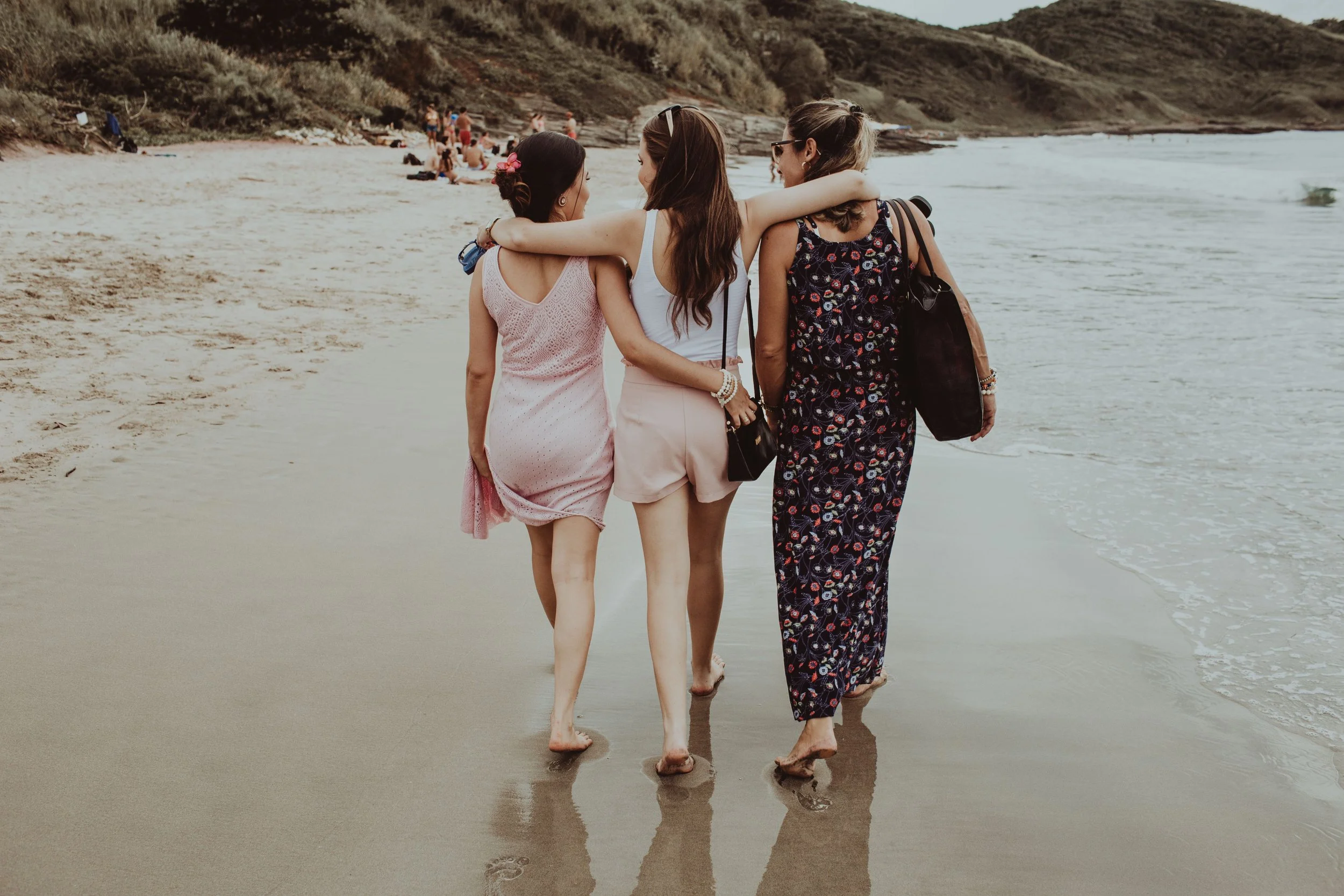
Every great friends retreat starts the same way: someone types "we should totally do a trip together" into the group chat. Then reality arrives. Different budgets, different schedules, forty unread messages, and nobody wants to be the one who decides. The trip quietly dies.
It does not have to. A friends retreat is one of the most rewarding kinds of group travel there is, and it becomes simple the moment it gets a real structure. Here is the exact step-by-step approach I use as a group travel planner.
Step 1: Choose the intention before the destination
Most groups start by arguing about places. Start with the feeling instead. Is this retreat for rest, for celebrating a milestone birthday, or for reconnecting after a busy season? The intention decides everything else: the destination, the pace, even the house or hotel you choose. A rest retreat needs quiet mornings and water nearby. A celebration needs one unforgettable dinner and room to be loud. Agree on the why first, and the where gets much easier.
Step 2: Give the plan one owner and one deadline
Group chats are wonderful for photos and terrible for decisions. Pick one organizer, or hand the logistics to a travel advisor, and set one clear deadline for the two decisions that lock everything else: the dates and the budget range. When everybody knows who is holding the plan and by when answers are due, the stress disappears. This is the single biggest difference between retreats that happen and retreats that stay in the chat.
Step 3: Set kind money rules early
Money awkwardness is the number one retreat killer, so make the rules explicit and kind from the start. Shared costs, like the house, the chef dinner, or the group excursion, go into one shared pot and get split evenly. Personal extras, like spa treatments or upgrades, stay personal. Agree on a per-person budget range before anyone books anything, and collect deposits on a schedule instead of chasing friends later.
Step 4: Plan one anchor a day, and protect the rest
The instinct is to fill every hour. Resist it. One anchor experience per day is plenty: a boat morning, a cooking class, a long celebratory dinner. Everything else stays open for naps, pool time, and the unplanned conversations that are the real reason you came. A retreat that exhausts everyone has missed its own point.

Step 5: Take sleep and rooms seriously
Ask the quiet questions early. Who snores? Who needs a door that closes? Who is happy sharing, and who will pay happily for a single room? Matching rooms to people, and protecting real sleep, is what separates a restorative retreat from a slumber party everyone needs a vacation from.

When to start, and where a planner helps
For most groups, starting four to six months ahead gives you the best houses, the best rooms, and time for everyone to pay in comfortable installments. A group travel planner holds the whole structure for you: sourcing the stay, managing the room block and deposits, coordinating the anchor experiences, and being the one phone call when plans shift. You bring your people. The logistics stop being your job.

Ready to plan yours?
If your group chat has been dreaming out loud, this is your sign to give the trip a structure. Start with a free group travel orientation, or send me a message on Instagram at @travelsbeewell with the word GROUP and tell me the occasion. I will build the retreat and hold the logistics, so everyone gets to relax, including you.
Your Journey Matters.

Destination Wedding Hotel Blocks: Do You Need One and What to Ask Before Signing
A couple planning a rural wedding recently asked an online wedding community a question that comes up constantly: with 90% of guests local and the nearest hotel 25–30 minutes away, should they bother with a hotel block at all? (r/weddingplanning, September 2026)
It's the right question, and it has more layers than most couples expect. A hotel room block can be a genuine gift to your guests — or a surprise bill if you sign without understanding the terms. Here's what a block actually is, the questions real couples are asking right now, and what to clarify before you commit.
What a hotel block actually is
A hotel block is a set of rooms a hotel holds for your wedding guests, usually at a negotiated group rate, for specific dates around your wedding. Guests book individually from the block, often through a dedicated link or booking code.
There are two main types, and the difference matters:
• Courtesy block: the hotel holds rooms with no financial commitment from you. If the rooms don't get booked, there's no penalty — but the hotel may release unbooked rooms early.
• Contracted block: you commit to filling a minimum number of rooms (or paying for the shortfall). In exchange, you typically get a better rate and stronger guarantees.
Couples in wedding forums ask about this distinction constantly — “courtesy block vs. contracted block” is one of the most repeated questions, because the paperwork rarely explains it plainly.
Do you actually need one?

Not always. Consider a block when:
• Most guests are traveling from out of town
• Your wedding is in a destination with limited hotel options
• The wedding is on a holiday weekend or during peak season, when rooms sell out
• Guests would otherwise struggle to find rooms near the venue
You may be able to skip it — or use a small courtesy block — when most guests are local, when the area has abundant hotel options, or when your guest count is very small. The couple with 90% local guests, for example, was mainly worried about late-night driving after drinks — a transportation question more than a room-block question.
The questions to ask before you sign
These are the questions couples are asking in wedding communities right now, with notes on what to listen for in the hotel's answer.
1. Am I financially responsible for rooms that don't get booked?
This is the attrition question, and it's the most important one. In a contracted block, you may owe the hotel for unbooked rooms below the agreed minimum. Ask:
• What is the minimum number of rooms I must fill?
• What exactly do I pay if we fall short?
• Is there a deadline by which rooms are released (the “cutoff” or “release date”)?
Some blocks have no minimum at all; others require a real commitment. Get the answer in the written proposal, not just verbally.
2. Is the group rate actually better than the public rate?
Don't assume. Compare the block rate against the hotel's publicly listed rate for the same dates and room type — and factor in taxes and fees, which some quotes include and others don't. Couples comparing proposals report that the “discount” sometimes disappears once fees are added.
3. When do my guests need to book?
Every block has a cutoff or release date: the date after which unbooked rooms return to the hotel's general inventory and the group rate disappears. Ask for this date explicitly, and plan to remind your guests well before it. A block your guests don't know about helps no one.
4. How do guests get between the hotel and the venue?
Transportation is the detail couples forget most often. If the hotel is 20–30 minutes from the venue, guests need a plan — shuttle, rideshares, or clear driving directions. Ask the hotel whether they offer shuttle service or can recommend one, and factor that cost into your decision.
5. Can guests with different budgets all be comfortable?
Groups rarely share one budget. Ask whether the block can include more than one room category, or whether a second, simpler hotel nearby makes sense for budget-conscious guests. The goal is options, not uniformity.
How to compare hotel proposals side by side
When you have two or three proposals, line them up on the same criteria:
• Block type (courtesy vs. contracted)
• Minimum rooms and attrition terms
• True nightly rate including taxes and fees
• Cutoff/release date
• What's included (breakfast? parking? Wi-Fi? welcome amenities?)
• Cancellation terms for you and for guests
• Transportation options to your venue
The cheapest headline rate is rarely the cheapest total once the fine print is in.
Getting help with the travel side
Comparing hotel proposals, estimating how many guests will actually travel, and setting up booking logistics is a project of its own — separate from planning the wedding itself. If you'd rather have someone organize and compare the travel options for your group, BeeWell Travels offers personalized group travel quotes for weddings, birthdays, retreats, and special events.
Request a group travel quote →


Seattle Met Me in the Rain and the Rhythm
It All Begins Here
Two days of movement, music, and emotional release
When I arrived in Seattle, I felt it immediately.
The air was different.
Cooler. Heavier.
Like the city was holding stories in its clouds.
Seattle didn’t greet me with sunshine — it greeted me with mood. And honestly? That felt right.
This was a short trip. Only two days. But somehow, it carried depth.
Day One — Movement, Wind, and City Energy
I started by exploring the waterfront near Seattle Waterfront, walking along the pier, watching the water move, letting the breeze hit my face. There’s something grounding about standing near the ocean — like your nervous system remembers something ancient.
We rented scooters and rode through the city, laughing, weaving through streets, feeling free in that spontaneous way you only feel when you’re traveling. For a moment, I wasn’t thinking about responsibilities or timelines — I was just present.
Seeing the Space Needle in person made everything feel real. It stood there quietly, iconic but humble, reminding me how cities carry their own souls.
I wandered, explored, soaked in the atmosphere. Seattle felt introspective — not loud like some cities, but thoughtful. It invites you inward.
Even just walking around downtown, I could feel layers of creativity, tech, music, and history blending together.
Day Two — Music as Medicine
The second day was different.
That day belonged to Bumbershoot.
We spent the entire day there — surrounded by music, people, art, and emotion. Festivals have a way of dissolving walls. Everyone arrives carrying their own stories, yet for a few hours, you all share the same energy.
And then came the moment my heart had been waiting for.
Seeing AURORA live.
She was the last artist on Sunday.
And it felt sacred.
Her voice didn’t just fill the space — it moved through me. I felt tears rise without warning. Not sadness. Release. Gratitude. Recognition. Her music has always spoken to my inner world, and standing there, listening to her sing under the Seattle sky, I felt deeply connected to myself again.
That moment alone made the entire trip worth it.

Italy Met Me in Motion
It All Begins Here
Milan, Lake Como, Venice, Siena, and Rome — a journey by train through beauty, history, and self-reflection
Italy wasn’t one place for me.
It was many moods.
Many lessons.
Many versions of myself unfolding city by city.
I traveled by train — watching landscapes blur into each other, carrying my suitcase, my memories, and my healing from one destination to the next.
This part of my journey felt symbolic: movement without rushing, progress without force.
Milan — Strength, Style, and Grounding
Arriving in Milan felt powerful.
Milan carries confidence. It’s modern and historic at the same time — elegant yet practical. Standing in front of the Duomo di Milano, I felt small in the best way. The details, the symmetry, the sheer presence of it all reminded me how much humans are capable of creating.
Walking through Galleria Vittorio Emanuele II, I thought about ambition, beauty, and identity — how we show up in the world, and how much strength it takes to keep evolving.
Milan grounded me.
It reminded me that I am building something — not just a business or a future — but myself.
Lake Como — Stillness and Breath
Then came Lake Como.
And everything softened.
The water. The mountains. The quiet villages. It felt like nature whispering instead of speaking.
I sat by the lake, letting the breeze touch my face, watching ferries glide across the water. For a moment, nothing else mattered. No timelines. No expectations. Just presence.
Lake Como reminded me how deeply my nervous system needs peace.
Sometimes healing looks like sitting quietly beside water and remembering how to breathe.
Venice — Getting Lost to Find Myself
In Venice, I got lost more than once.
And honestly — that felt poetic.
Venice doesn’t follow straight lines. Streets turn into bridges, bridges into canals, and suddenly you’re somewhere unexpected. I wandered through quiet alleys, crossed over Rialto Bridge, and stood in St Mark’s Square, watching life unfold around me.
Venice taught me surrender.
Not everything needs control.
Not every path is meant to be direct.
Some journeys are meant to be felt.
Siena — Simplicity and Soul
Siena felt intimate.
The medieval streets, the warm stone buildings, the calm pace of life — Siena didn’t try to impress me. It simply welcomed me.
Standing in Piazza del Campo, I felt something settle inside my chest. Siena reminded me that life doesn’t need to be loud to be meaningful.
Sometimes the quiet places teach the deepest lessons.
Rome — Closure, Power, and Perspective
By the time I reached Rome, I felt full — emotionally and spiritually.
Rome carries weight. History lives everywhere: the Colosseum, the Roman Forum, the Pantheon.
Standing at the Trevi Fountain, I made a quiet wish — not for things, but for alignment. For peace. For continued healing.
Rome felt like closure.
Not an ending — but integration.
It reminded me how many civilizations rise and fall, how much survives, and how small our worries become when placed next to thousands of years of human resilience.

Paris Met Me in My Feelings
It All Begins Here
A city of beauty, memories, and quiet awakenings
When I arrived in Paris, I didn’t feel excitement first.
I felt emotion.
Paris has a way of doing that — it doesn’t rush you. It doesn’t ask for your attention loudly. It simply exists, and somehow that presence invites you inward.
This part of my journey felt softer than Madrid. More introspective. More romantic in the soul sense — not just love between people, but love for life, art, memory, and becoming.
The Beauty That Speaks Without Words
Seeing the Eiffel Tower in person felt surreal. Not because it’s famous — but because it stands there quietly, watching generations pass beneath it.
I walked along the Seine River, letting the breeze touch my face, watching reflections dance on the water. That moment felt sacred. Like time slowed just enough for me to breathe.
Inside the Louvre Museum, surrounded by centuries of creativity, I realized how powerful human expression really is. Art survives wars, heartbreak, revolutions, and time itself. That moved me deeply.
And up in Montmartre, near Sacré-Cœur, I stood quietly, looking over the city, feeling both tiny and infinite at once.
Paris Didn’t Distract Me — It Reflected Me
Unlike Madrid, which energized me, Paris invited me to feel.
There were moments of joy — sipping coffee at a sidewalk café, tasting warm croissants, wandering narrow streets with no destination.
But there were also moments where memories surfaced. Where old emotions rose. Where I felt the weight of everything I’ve lived, survived, and transformed.
Paris didn’t try to cheer me up.
It simply held space.
And that was exactly what I needed.
I realized how much I’ve been carrying. How much healing happens quietly. How growth doesn’t always look like action — sometimes it looks like sitting by a river and letting tears form without knowing why.

Madrid Taught Me More Than I Expected
It All Begins Here
A journey through beauty, exhaustion, healing, and self-discovery
When I arrived in Madrid, I didn’t realize how deeply this trip would touch me.
I went with excitement in my heart and curiosity in my soul. I wanted to explore, feel alive, taste new flavors, walk unfamiliar streets, and reconnect with myself in a new environment. And Madrid delivered all of that — but not always in the ways I imagined.
This trip was both beautiful and challenging.
And honestly, that’s what made it meaningful.
The Magic of Arrival
Madrid welcomed me with warm air, lively streets, and that unmistakable European rhythm — people laughing at cafés, music echoing through plazas, history woven into every corner.
I remember walking around Puerta del Sol, feeling small and alive at the same time. The energy there is electric — tourists, locals, street performers — everyone moving in their own orbit, yet sharing the same moment.
There were mornings when I sat quietly with my coffee, watching the city wake up. Even in stillness, Madrid feels awake.
At El Retiro Park, I found moments of peace — surrounded by trees, water, and people simply being. That space reminded me how important it is to slow down, breathe, and allow yourself to exist without rushing.
Those were the moments that fed my soul.
The Part Nobody Talks About Enough
But travel isn’t always postcard-perfect.
There were days when my body felt heavy. When fatigue crept in. When navigating transportation, crowds, and unfamiliar routines felt overwhelming. There were moments of frustration, moments of loneliness, moments where I had to sit with myself and acknowledge that I was tired — physically and emotionally.
Travel has a way of stripping away distractions.
You can’t hide from yourself when you’re far from home.
I had to honor my limits. I had to rest when I wanted to push. I had to give myself grace instead of judgment. And that was harder than climbing any hill or finding any destination.
Some days I didn’t do everything I planned — and that had to be okay.
That was part of the lesson.
Walking Through Growth
Walking down Gran Vía one evening, lights glowing and energy buzzing around me, I realized something important:
I wasn’t just visiting Madrid.
Madrid was visiting me.
It was showing me where I still rush myself. Where I forget to listen to my body. Where I expect strength without softness. Where I’m learning to balance ambition with self-care.
This trip mirrored back parts of me I’ve been healing for a long time.
And I’m grateful for that.